Michael Omidi - Meningitis Outbreak News

Omidihealth was created by Michael Omidi - co-founder of NMP (No More Poverty) this blog is dedicated to providing its readers the latest news on the meningitis outbreak.
Showing posts with label Epidural abscesses. Show all posts

Tuesday, March 5, 2013

Facilitating Full Recovery after Fungal Meningitis


Unfortunately, people who have recovered from fungal meningitis are not out of the woods just yet; full recovery can take anywhere from six months to a full year – and that is without additional infections. In the following article, Dr. Michael Omidi discusses how to care for oneself, how to facilitate full recovery, and what symptoms to watch out for.

When the fungal meningitis outbreak first hit, it was estimated that patients exposed to the tainted steroid who hadn’t developed symptoms of fungal meningitis would be in the clear, so to speak, if they continued to by symptom-free by mid January. However, different medical experts have produced different timelines, and some believe that it is very possible to still come down with the potentially deadly illness even today.

Fungal meningitis is an especially virulent strain of meningitis that is difficult to treat. The medications that have proved effective unfortunately also trigger severe side effects, so they are not ideal for older people or people with compromised immune systems. Long term exposure to the anti-fungal drugs can actually cause kidney damage. The people who were exposed to this illness were people who were receiving treatments for chronic back pain, many of whom were older persons that are less capable of tolerating or warding off potential complications.[1]

If you have been exposed to fungal meningitis through exposure to the tainted batch of steroids, make sure you visit your doctor if you experience persistent headaches, back pain, leg pain, confusion, neck stiffness, pain, or nausea.

Treatments for fungal meningitis are long and arduous; they require more or less constant monitoring and administration of anti-fungal medications. Additionally, there are other medical complications that can arise, namely epidural abscesses and arachnoiditis.

Epidural abscesses are inflammations near the site of the epidural injection and are often undetectable since they are far below the surface of the skin. Patients often can’t distinguish pain caused by the abscess from the pain caused by meningitis. These abscesses can cause severe pain and limited mobility and they must be drained. Dead tissue must be removed surgically and months of anti-fungal medications must be administered in order to clear the infection.

Arachnoiditis is a serious, chronic neurological condition caused by trauma or infection of the arachnoid, a membrane surrounding the spinal column. Patients with arachnoiditis are often in constant pain and unable to stand or sit for long periods of time, in some cases even experiencing incontinence. There is no cure for arachnoiditis; patients must undergo consistent pain management therapy and treatment.
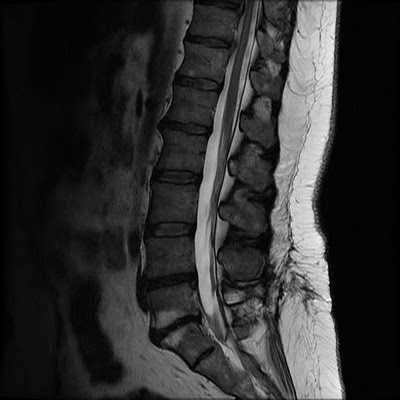
If you are recovering from fungal meningitis, make sure you continue taking your medications exactly as your physician instructed. Try your best to avoid further infections from other sources; wash your hands regularly and keep your countertops and surfaces clean and sterilized. If you can’t detect any improvement or your medications don’t seem to be having any effect, see your doctor immediately.  If you become confused, develop seizures or a fever, or it becomes difficult for you to be roused from sleep, call 911.


[1] Goodman, Brenda: Fungal Meningitis Patients: A Long Road to Recovery WebMD 12/26/2012 http://www.webmd.com/news/20121226/fungal-meningitis-victims-recovery

Wednesday, December 12, 2012

Dr. Michael Omidi on New Meningitis Related Illnesses

Cases of Infection on Rise in Tennessee and Michigan

Cases of infections resulting from the tainted steroids from the New England Compounding Center appear to be on the rise, according to health officials in Tennessee and Michigan.

The new infections aren’t fungal meningitis, but epidural abscesses—collections of pus on the bones of the scull or the spine that can lead to fungal meningitis if left untreated. There have been 37 new cases of abscesses in Michigan and 23 in Tennessee.

Although health officials stress that these abscesses aren’t life threatening, they can potentially cause serious problems, like chronic back pain, incontinence, an abscess on the spinal cord itself and bone infections.

Fortunately, because the Tennessee and Michigan patients who have received the epidural injections of contaminated steroid were under more or less constant medical supervision, these abscesses were detected early, so the prognosis is generally positive. However, epidural abscesses are difficult to detect with the naked eye at the early stages. Symptoms of spinal epidural abscesses are bladder and bowel incontinence, back pain, fever, weakness and difficulty moving a particular part of the body (depending upon where the abscess is located.)

Majority of Cases Detected Early

The cases of potential complications and infections are more difficult to predict in other regions of the United States, however, because it is widely believed that the number of patients who have been exposed to the potentially deadly fungal infection is greater that what is being counted. Certain patients in California who had received epidural steroid injections from NECC were notified that they could potentially be infected with fungal meningitis, but there hasn’t been any follow up. People who have not experienced symptoms of fungal meningitis were not as closely monitored as those who have, and might therefore be at risk of developing complications from epidural abscesses.

Medical Community and CDC not Counting Many Cases

Patients from several states, including California, which did not report any fungal meningitis infections, are claiming that the medical community and the Center for Disease Control are not counting them as official cases. The National Research Center for Women and Families believes that there are many more cases of infection stemming from the tainted drugs, but they are, for whatever reason, going undocumented.


New Infections not Classified as Medical Emergency

The new infections appear to be outside of the central nervous system, and aren’t classified as a medical emergency the way fungal meningitis is. What is worrying to most health officials is the fact that fungal meningitis could develop from the abscesses. According to the Tennessee health department commissioner John Dreyzehner, “We indeed could have a second wave of meningitis for some people. The medical community can't tell you with precision when the risk ends.”

Thursday, December 6, 2012

Spinal Epidural Abscesses - Meningitis Outbreak

Outbreak of a Virulent Strain of Meningitis

The outbreak of a virulent strain of meningitis due to a tainted supply of steroids was only one of the illnesses in what has become a national health crisis.

Many patients have complained of swelling and pain at the epidural injection site, even after the meningitis symptoms have cleared up. It appears that epidural abscesses have formed on some patients, even after having taken powerful antifungal medications. Epidural abscesses form under the skin; they can only diagnosed with certainty using an MRI. Some cases can be cleared with drug treatments, others require surgical intervention.

Spinal Epidural abscess

An epidural abscess is the collection of pus that can be found either in the skull or alongside the spinal column. Spinal epidural abscesses are typically caused by bacteria, but can also be due to fungal infections, or result from a spinal trauma or surgery. Patients with epidural abscesses typically experience neck or back pain, fever, difficulty with urination or bowel and bladder incontinence.


While it is possible to recover completely from an epidural abscess, it can return even after aggressive treatment. If left untreated, permanent nervous system damage could occur, and even paralysis or death.

The black fungus that infected more than 500 patients nationwide and killed nearly 40 was so prevalent in the vials of medication that it could be seen with the naked eye. The epidural injections left patients vulnerable to conditions such as meningitis, arachnoiditis and epidural abscesses because the slightest slip of the needle could have sent the fungus into the spinal column, which is a welcoming environment for fungus due to the temperature and the nutrient content. The fungus would then be carried in the spinal fluid up to the brain, which has very limited defense mechanisms against infection.

While meningitis was the most common infection resulting from the contaminated drug, there have been a few cases of epidural abscesses without accompanying meningitis. Unfortunately, fungal epidural abscesses are fairly rare, and many hospitals have very little or no experience treating them. While some abscesses can be surgically removed, others are wrapped around delicate nerves and cannot be extracted. Some patients have multiple epidural abscesses.

Patients who have received or are receiving treatment for fungal meningitis must continue to receive evaluations by their physicians for additional infections and complications, even well after the infection appears to have cleared up. It is critically important to address epidural abscesses immediately, before nerve damage sets in that could be irreversible.

Monday, November 19, 2012

Dr Michael Omidi on Meningitis Outbreak

Dr Michael Omidi Discusses the Recent Meningitis Outbreak, as well as other illnesses that are now being linked to contaminated infections

The recent meningitis outbreak was the one of the biggest health disasters ever caused by a tainted drug. To date, more than 400 people have been infected, and 32 have died. Unfortunately, it seems that meningitis is not the only dangerous illness caused by the contaminated steroid injections; many patients are now suffering from epidural abscesses and arachnoiditis, even though the fungal meningitis seemed to be under control.


Epidural Abscesses and Arachnoiditis Linked to Contaminated Steroid Injections

Epidural abscesses are pus-filled inflammations of the spine or bones of the skull. These abscesses can be caused by bacterial or fungal infections and, in the cases of the contamination victims, can cause meningitis. Epidural abscesses are often found in patients who have had invasive back surgery, bone infections of the spine or are intravenous narcotics users.


Epidural Abscess Symptoms

The symptoms of epidural abscess are back pain, fever, weakness and incontinence. This condition can lead to very serious complications, including brain damage, bone infection and even paralysis. It is very important to seek medical treatment at the first signs of epidural abscess, although because the abscess might not be evident at the surface of the skin detection might be difficult. However, anyone suffering persistent back pain, nausea and fever should visit their doctor.


Arachnoiditis Symptoms

Arachnoiditis is a swelling of the membranes surrounding the spinal cord. This painful condition occurs when certain bacteria, chemicals or viruses are introduced to the spine, and can also be triggered by trauma or spinal surgery. This condition causes burning pain in the legs and back, spinal numbness, muscle cramping, loss of bladder and bowel function and even, in severe cases, paralysis. Treatments can be long and difficult, and typically consist of pain management exercises and, sometimes, psychotherapy. Arachnoiditis is a chronic condition with symptoms that can be made less severe with treatments, but never totally eliminated. Surgery is not widely used due to the fact that relief is only temporary and the procedures are very dangerous.


Fungal Meningitis Symptoms

Fungal meningitis is an aggressive form of meningitis that attacks the membranes covering the spinal cord and brain. Symptoms include nausea, light sensitivity, stiff neck, severe headaches and fever. Although the symptoms for fungal, bacterial and viral meningitis are the same, fungal and bacterial meningitis are medical emergencies, whereas viral meningitis often doesn’t require medical treatment. It is critically important to seek medical attention at the onset of these symptoms so immediate treatment can be administered. Meningitis, when left untreated, might lead to seizures, stroke, brain damage and hearing loss.


Moving Forward

It isn’t easy, perhaps even impossible, to predict what further medical complications may arise from this catastrophe. Unfortunately, even after the disgraceful sloppiness of compounding pharmacies became known, it is still common for citizens to order pharmaceuticals online from dubious sources. Hopefully, this disaster will open up public awareness about medical treatment practice, and cause both doctors and patients to scrutinize the origins of their drugs.


Dr. Michael Omidi is a philanthropist, whose charitable organizations include Animal Support and No More Poverty, both of which he founded with his brother Julian Omidi.