
Unfortunately, people
who have recovered from fungal meningitis are not out of the woods just yet;
full recovery can take anywhere from six months to a full year – and that is without
additional infections. In the following article, Dr. Michael Omidi discusses
how to care for oneself, how to facilitate full recovery, and what symptoms to
watch out for.
When the fungal meningitis outbreak first hit, it was
estimated that patients exposed to the tainted steroid who hadn’t developed
symptoms of fungal meningitis would be in the clear, so to speak, if they
continued to by symptom-free by mid January. However, different medical experts
have produced different timelines, and some believe that it is very possible to
still come down with the potentially deadly illness even today.
Fungal meningitis is an especially virulent strain of
meningitis that is difficult to treat. The medications that have proved
effective unfortunately also trigger severe side effects, so they are not ideal
for older people or people with compromised immune systems. Long term exposure
to the anti-fungal drugs can actually cause kidney damage. The people who were
exposed to this illness were people who were receiving treatments for chronic
back pain, many of whom were older persons that are less capable of tolerating
or warding off potential complications.[1]
If you have been exposed to fungal meningitis through
exposure to the tainted batch of steroids, make sure you visit your doctor if
you experience persistent headaches, back pain, leg pain, confusion, neck
stiffness, pain, or nausea.
Treatments for fungal meningitis are long and arduous; they
require more or less constant monitoring and administration of anti-fungal
medications. Additionally, there are other medical complications that can arise,
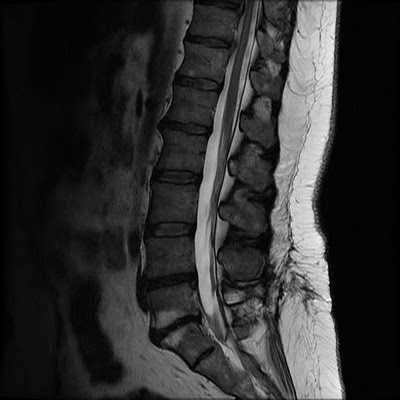
namely epidural abscesses and arachnoiditis.
Epidural abscesses are inflammations near the site of the
epidural injection and are often undetectable since they are far below the surface
of the skin. Patients often can’t distinguish pain caused by the abscess from
the pain caused by meningitis. These abscesses can cause severe pain and
limited mobility and they must be drained. Dead tissue must be removed
surgically and months of anti-fungal medications must be administered in order
to clear the infection.
Arachnoiditis is a serious, chronic neurological condition
caused by trauma or infection of the arachnoid, a membrane surrounding the
spinal column. Patients with arachnoiditis are often in constant pain and
unable to stand or sit for long periods of time, in some cases even
experiencing incontinence. There is no cure for arachnoiditis; patients must
undergo consistent pain management therapy and treatment.
[1]
Goodman, Brenda: Fungal Meningitis Patients: A Long Road to Recovery WebMD
12/26/2012 http://www.webmd.com/news/20121226/fungal-meningitis-victims-recovery


